Community
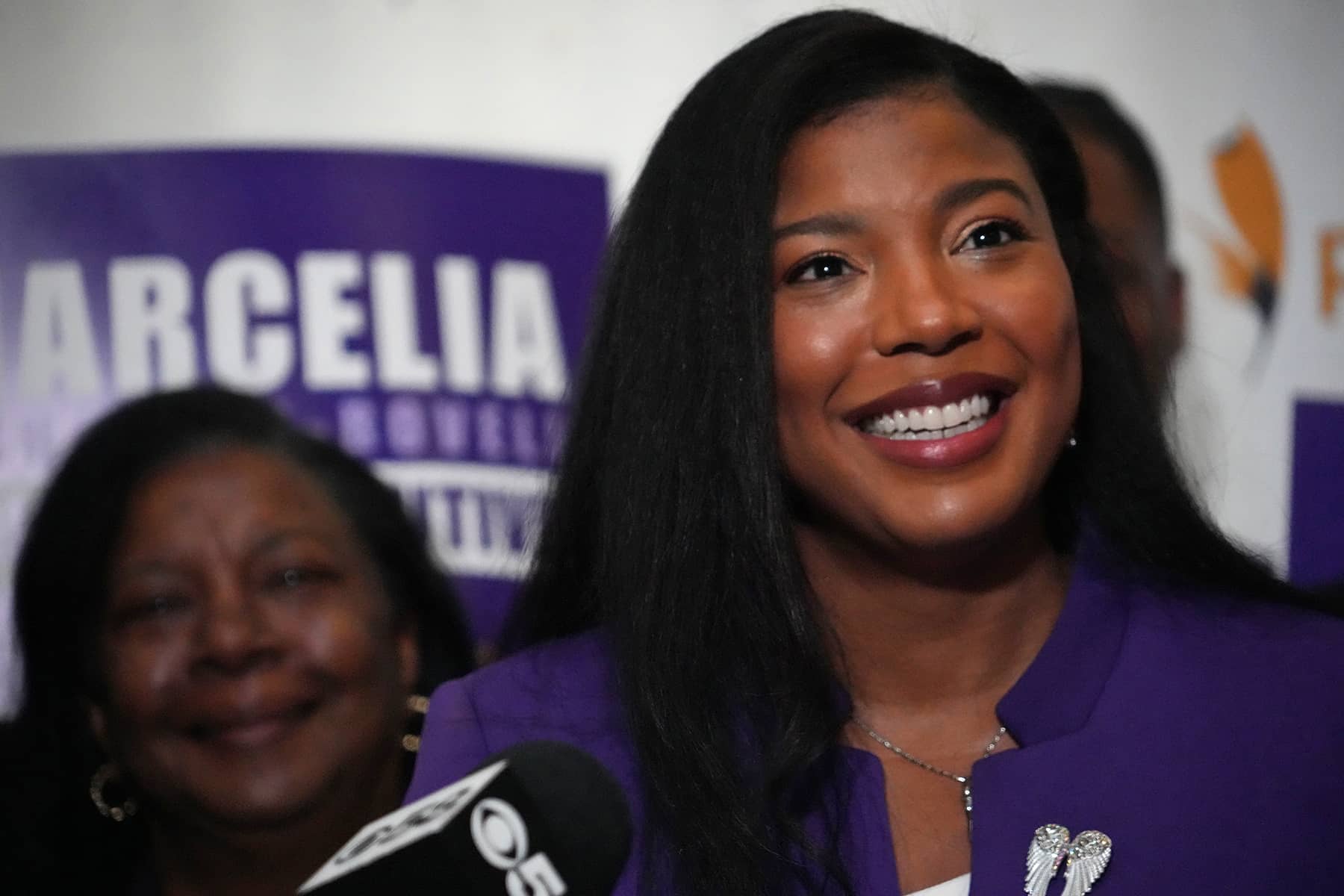
Marcelia Nicholson-Bovell launches County Executive campaign with plan to expand services for Milwaukee
By Katherine Langford
Advertisement · Why this ad?
Katherine oversees editorial operations across all six brands. Before joining The Meridan Group, she spent 14 years at the Minneapolis Star Tribune, where she led the metro desk through its digital transformation. She holds a Master's in Journalism from Northwestern's Medill School.
More from Katherine →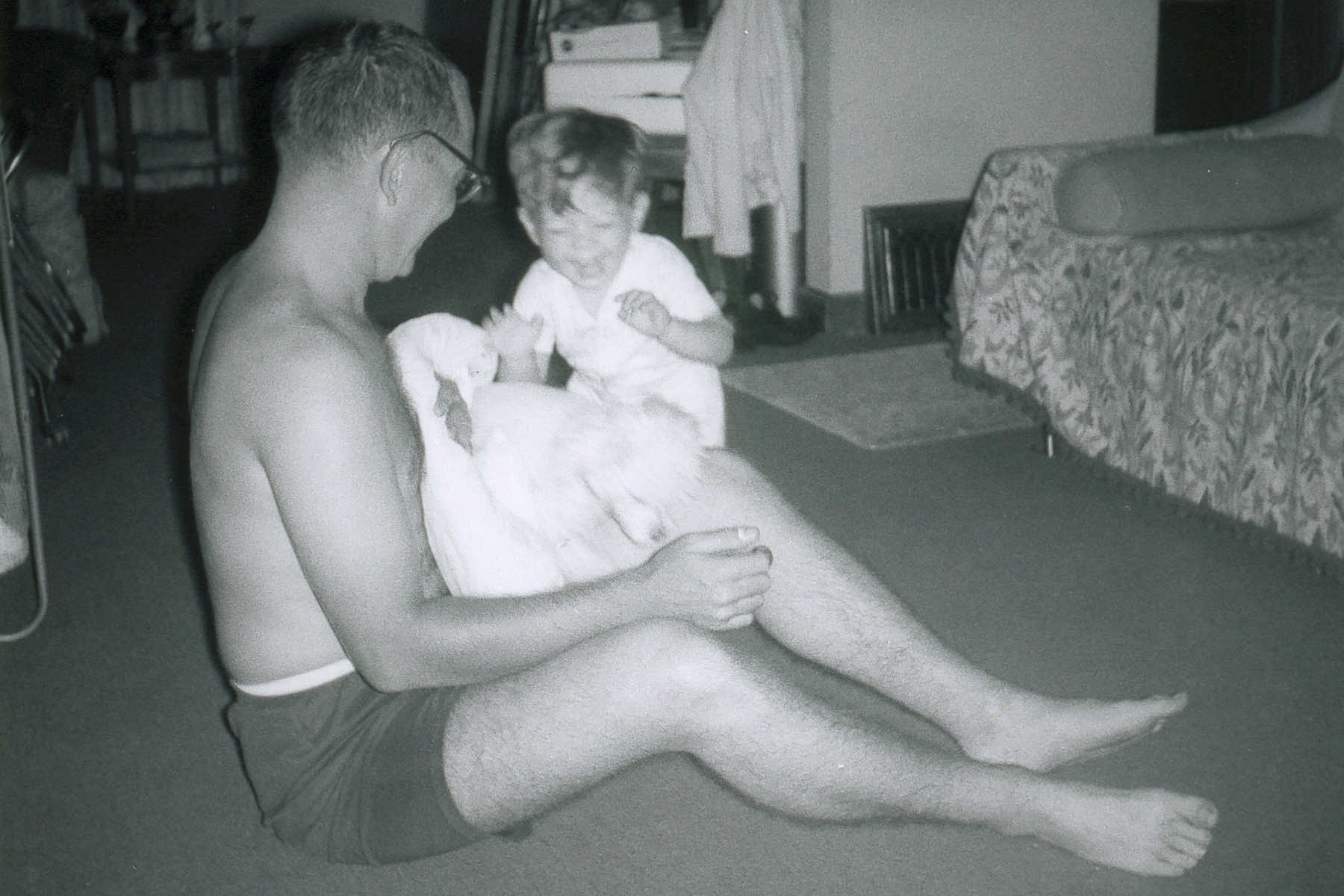
For decades, American society has struggled to define how veterans should be remembered. The unresolved tensions surrounding the Vietnam War eventually gave way to a culture that elevated military reverence into a civic ritual, particularly after the attacks of September 11, 2001 Flags, memorial ceremonies, public tributes, military flyovers, and ceremonial language became deeply embedded in national identity. Yet beneath the patriotic symbolism exists another layer of war’s legacy that remains unacknowledged. The emotional inheritance carried by military families, especially the children of veterans shaped by trauma, silence, and psychological instability, long after combat ended. The public story of sacrifice frequently centers on the battlefield while overlooking the domestic consequences that unfolded afterward. In many families shaped by Vietnam-era trauma, children became informal emotional support structures within homes marked by volatility, emotional withdrawal, hypervigilance, addiction, or unresolved anger. The effects were often diffused rather than dramatic, expressed through silence, fear, unpredictability, or distorted understandings of intimacy and security. While public ceremonies honored military service, many families quietly absorbed the aftershocks of war without recognition or institutional support. The delayed recognition of post-traumatic stress disorder after Vietnam helped reshape public understanding of combat trauma. But most of that attention focused on veterans themselves rather than the broader family structures surrounding them. Research on intergenerational trauma later demonstrated that psychological wounds can extend across decades through learned behaviors, emotional environments, and unresolved grief. Despite those findings, the public remembrance culture in America has rarely included the experiences of spouses, children, or families who spent years adapting themselves around emotional damage that had already been normalized within the household. At the same time, the nation’s approach toward veterans underwent a significant transformation. Vietnam veterans returned in the 1960s and 1970s to a politically fractured country where military service was often entangled with anger over the war itself. By the 1980s, political leaders and popular culture increasingly reframed veterans as symbols of sacrifice that deserved collective redemption. That shift accelerated after September 11, when “support the troops” became both a moral expectation and a public performance embedded into sports, entertainment, and civic ceremonies across the country. Over time, military reverence evolved into something broader than respect for individual service members. It became part of a national emotional vocabulary that often discouraged moral ambiguity or criticism. Public remembrance increasingly emphasized unity, gratitude, and symbolic patriotism while avoiding deeper reflection about war itself, including its political failures, civilian casualties, or long-term social consequences. Memorial events frequently transformed sacrifice into a sacred national language while separating that sacrifice from questions of accountability. For journalists, historians, and photographers who spent years documenting veterans with seriousness and empathy, that transformation created its own form of tension. Many approached veterans not as political symbols, but as people shaped by war, aging, trauma, memory, and public neglect. The work often involved careful listening with historical sensitivity, and an understanding that suffering could not be reduced to slogans or patriotic imagery alone. That investment in understanding also carried an implicit expectation that prolonged exposure to suffering might produce humility, moral caution, or empathy toward others experiencing violence and displacement. Instead, observers since the rise of Donald Trump have increasingly encountered contradictions that are difficult to reconcile. Public demands for reverence toward veterans sometimes coexisted with indifference toward civilians harmed in contemporary wars, hostility toward refugees, or open support for political rhetoric directed against vulnerable groups. In some ceremonial spaces dedicated to the remembrance of fallen veterans and their sacrifices, patriotic symbolism existed alongside racism, dehumanizing language, and toxic political extremism by the very veterans who expected gratitude for their service. Those contradictions proved especially jarring within memorial-oriented environments where sacrifice was treated as sacred. Events intended to honor military service can become spaces where exclusionary rhetoric and performative patriotism reinforced one another. The emotional force of military remembrance often insulated participants from criticism, even when the surrounding language contradicted the values of dignity, restraint, or human solidarity that commemoration supposedly represented. For some descendants of veterans, particularly those shaped by the emotional consequences of Vietnam-era trauma, those moments can generate not merely confusion or disagreement, but disgust. Such reactions emerge from the collision of sacred language with visible cruelty or selective empathy. National rituals that frame suffering as morally meaningful increasingly appear unwilling to extend that same moral seriousness toward civilians killed abroad, marginalized communities at home, or people excluded from dominant narratives of patriotism. The expansion of military spectacle in public life further intensifies those tensions. Patriotic displays at sporting events, commercial advertising campaigns, political rallies, and national holidays continue to blur the distinction between honoring veterans and celebrating militarized identity itself. Critics argued that these rituals often transform remembrance into emotional containment, allowing collective grief and anxiety to be redirected into symbolic gestures rather than sustained reflection about the costs of war or the responsibilities that follow it. At the same time, the wars in Iraq and Afghanistan prolonged a cycle in which public gratitude toward service members existed alongside political exhaustion and limited accountability. Civilian casualties, displacement, and psychological trauma exist across multiple generations, while domestic commemorative culture remains heavily focused on symbolic unity. The result has been a widening disconnect between ceremonial remembrance and the unresolved realities produced by military conflict. Sociologists studying civic ritual and national identity have long argued that public ceremonies help societies manage collective memory by simplifying morally complex events into emotionally coherent narratives. In the United States, military remembrance functions as a form of civic religion in which sacrifice becomes sanctified and insulated from political scrutiny. That process can create emotional solidarity, but it can also suppress uncomfortable questions about violence, nationalism, and the social aftermath of war over decades. Some critics argue that honoring veterans requires a more expansive understanding of what war leaves behind. That includes acknowledging not only combat service, but also the families who absorbed psychological damage in private, the civilians harmed abroad, and the generations shaped by unresolved historical trauma. Rather than demanding emotional obedience through ritualized patriotism, they argue remembrance should encourage humility, accountability, and moral reflection. Such arguments do not reject veterans or dismiss military sacrifice. Instead, they challenge a public culture that prefers to treat reverence itself as the final act of responsibility. For those Americans who grew up inside the emotional aftermath of Vietnam and other wars, navigating parental alcoholism and PTSD outbursts, remembrance without honesty c
By Katherine Langford

By Marcus Chen

By Marcus Chen
By Marcus Chen